
The allure of uncertainty
At the heart of our fascination with casinos lies the thrill of uncertainty. This paradox of embracing risk initiates a unique psychological response that many crave. Psychologically, humans are wired to seek out excitement and new experiences, leading us to environments that promise unpredictability and exhilaration, such as the neosurf australia casino that offers a diverse range of games and opportunities. The unpredictable nature of games of chance allows individuals to momentarily escape the predictability of daily life, stirring emotions ranging from anxiety to elation as they wager their fortunes.
This need for unpredictability is not limited to gambling. It can be observed in various aspects of life, including adventurous activities and high-stakes sports. However, the environment of a casino magnifies these feelings through a sensory overload of sounds, lights, and other stimuli designed to heighten the stakes. As players place their bets, they are rewarded by the rush of adrenaline, reinforcing the bond between risk and pleasure in our psyche.
Moreover, research suggests that the brain’s reward centers, particularly the release of dopamine, play a significant role in this attraction to risk. Dopamine is responsible for feelings of pleasure and satisfaction, which can become heightened in unpredictable scenarios like those presented in casinos. As players engage with the games, their experience can shift from merely transactional to fundamentally emotional, showcasing how we often prioritize the thrill of the gamble over logical decision-making.
The role of social dynamics
Casinos also serve as social hubs that draw individuals into a community of like-minded risk-takers. The social aspect of gambling cannot be understated; it transforms solitary risk-taking into collective revelry, where players share in each other’s ups and downs. This communal environment heightens emotional responses and creates an atmosphere charged with excitement to which many are irresistibly drawn. The interaction among players, whether through encouragement or friendly banter, fosters a sense of belonging while indulging in the thrill of risk.
Additionally, the social aspects within casinos encourage a more relaxed atmosphere, allowing participants to navigate risks collaboratively. People often feel emboldened by peers, increasing their propensity to take risks they might otherwise avoid in isolation. This dynamic can also introduce an element of competition among friends or strangers, further enhancing the allure of the experience. The shared emotional journey helps solidify the bond with gambling as not just an individual pursuit but a collective adventure.
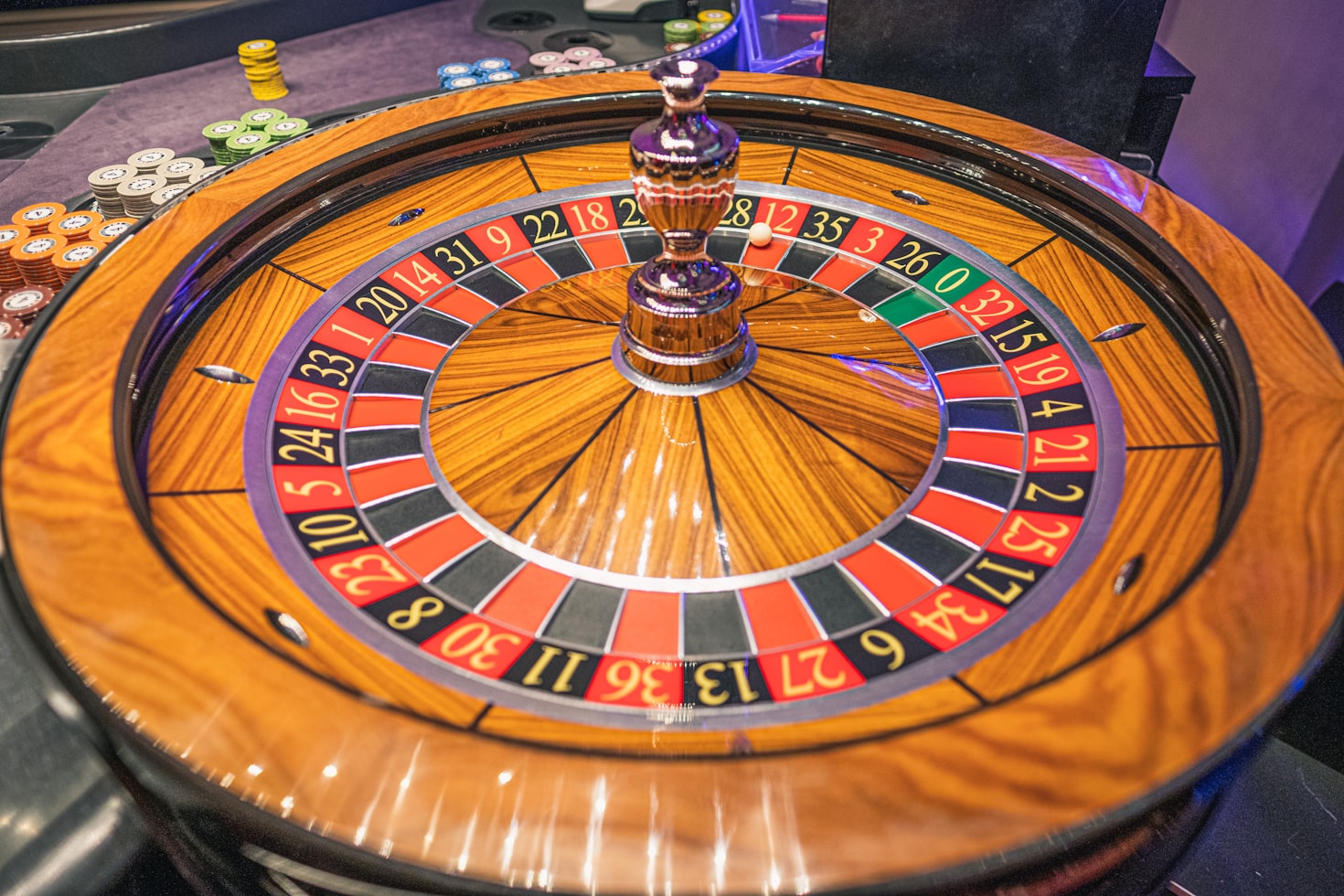
Another important aspect of social dynamics is the influence of atmosphere and environment. The design of casinos emphasizes comfort, luxury, and exclusivity, which can encourage players to take more risks. When engaging with others in a lively setting, individuals often feel more willing to extend their boundaries. This combination of social interaction and the inviting atmosphere creates a potent environment where the risks seem more manageable or even desirable.
The illusion of control
One psychological phenomenon that contributes to our love of casinos is the illusion of control. Many gamblers believe they can influence the outcome of games that are predominantly based on chance, such as slot machines or roulette. This mindset can lead players to take unnecessary risks in pursuit of a perceived advantage. The belief that certain strategies or rituals can sway luck feeds into the attraction to gambling, creating a fascinating dichotomy between chance and choice.
This illusion is deeply rooted in human psychology. Studies have shown that when participants feel they have control over random events, their likelihood of taking risks increases dramatically. For instance, players might develop routines such as specific betting patterns or personal superstitions that they believe will lead to victory. This sense of control allows players to feel empowered amid the randomness of gambling, enhancing the overall gaming experience and prompting them to continue playing.
However, reliance on the illusion of control can have negative consequences. It can lead to overconfidence and risk-taking behavior that is detrimental to a player’s financial health. Recognizing this fine line between empowering oneself through belief and falling into the trap of recklessness is essential. Ultimately, while the illusion of control can enhance enjoyment, it is crucial for players to remain mindful of their limits to enjoy the thrill safely without succumbing to negative outcomes.
The psychological impact of winning and losing
The rollercoaster of emotions experienced in casinos is amplified by the highs and lows of winning and losing. The euphoric feeling of hitting the jackpot can be addictive, underscoring why many continue to gamble despite financial losses. This emotional cycle is a testament to the human psyche’s resilience and vulnerability to fluctuating fortunes. Winning can trigger a powerful rush that reinforces the desire to gamble again, blinding players to the inevitable losses that accompany such activities.

This phenomenon is further complicated by the concept of “loss aversion,” which suggests that losses are felt more intensely than equivalent gains. As a result, individuals may chase losses to regain their financial standing, leading to increased gambling behavior. This dynamic explains why, even after a series of losses, players may feel compelled to continue playing, hoping for that one big win that will restore their losses and provide the thrill they seek.
Moreover, the emotional rollercoaster of gambling can lead to a form of psychological conditioning. Repeated exposure to the highs and lows creates a complex relationship with risk. Players may become desensitized to losses over time, focusing on the excitement of potential wins. This cycle of anticipation, excitement, disappointment, and fleeting triumph creates a compelling narrative that keeps individuals returning to the casino, underscoring the intricate interplay between psychology and the love of risk.
Understanding the appeal of online casinos
The rise of online casinos has added another layer to the psychology of risk-taking and gambling. The convenience of accessing gambling platforms from the comfort of home appeals to a modern audience increasingly drawn to instant gratification. Online casinos replicate the physical thrill of traditional gambling while providing anonymity and ease of access, appealing to a broader audience looking for risk and excitement without traditional constraints.
Moreover, online casinos often employ sophisticated algorithms and technologies designed to enhance user experience, creating an engaging atmosphere that can be even more captivating than brick-and-mortar establishments. They utilize enticing graphics, interactive features, and enticing promotions to lure players, keeping the concept of risk alive in a digital realm. This blend of technology and psychology creates a seamless experience where players revel in uncertainty while remaining engaged with vibrant visuals and sounds.
However, while online gambling offers new avenues for excitement, it can also lead to increased risk and impulsivity. The ease of access and instant feedback can cause players to lose track of time and money, leading to unhealthy gambling habits. As with any risk-taking behavior, understanding the psychological implications of online casinos is essential for maintaining a balanced approach to gaming and ensuring that the excitement does not spiral into addiction.
