
The Psychology of Color
Color psychology is a fundamental aspect of casino design, significantly affecting how players experience gambling. Colors like red, gold, and green are frequently used to evoke excitement and stimulate feelings of warmth and cheerfulness. For example, red is known to grab attention and create a sense of urgency, prompting players to make quicker betting decisions. These colors are strategically utilized throughout various gaming areas to keep players engaged and energized, creating an atmosphere that encourages longer play sessions, especially when they explore options like australia online casino which enhances their overall experience. The right color scheme not only attracts players but also influences their emotional responses, making them more likely to continue gambling.
Moreover, the interplay of colors within a casino environment contributes to an immersive experience that keeps players focused and engaged. Casinos often employ sophisticated lighting techniques that highlight specific areas, such as slot machines or gaming tables, using vibrant spotlights to draw players in. This combination of colors and lighting enhances the visual appeal of the casino and plays a pivotal role in crafting a dynamic atmosphere that entices players to stay longer and spend more. When players feel visually stimulated, they are more likely to lose track of time and continue their gaming activities.
Additionally, the emotional impact of color cannot be understated. The use of warm hues in high-stakes areas can evoke feelings of exclusivity and luxury, which is particularly appealing to high rollers. Conversely, softer hues in more casual gaming spaces can create a relaxed environment, encouraging players to linger and engage in longer gaming sessions. This strategic manipulation of color is a powerful tool in the casino’s design arsenal, designed to influence players’ emotional states and gambling behaviors effectively. By understanding how colors affect mood and perception, casinos can create tailored experiences that resonate with different segments of their clientele.
Layout and Flow
The layout of a casino is meticulously crafted to guide players through various gaming areas, maximizing exposure to different games while minimizing potential exits. A common design strategy involves creating a maze-like environment where players are naturally led from one attraction to another. This strategic layout encourages exploration and prolongs the gambling experience. For instance, placing high-quality games near entrances can entice players to engage with the offerings, thereby increasing the likelihood of extended play. By carefully planning the flow of the casino, operators can enhance the gaming experience and encourage more spending.
Furthermore, the arrangement of pathways and gaming areas is designed to facilitate a continuous flow of traffic. By clustering games together and removing obstructive barriers, casinos can create an inviting and engaging environment. This careful orchestration of movement not only increases the chances of players encountering various games but also fosters social interactions that are vital in creating a lively atmosphere, encouraging longer stays and increased spending. The design encourages players to interact with one another, enhancing the overall experience and making gambling feel more communal.

Another critical aspect of the casino layout is its ability to create an escape from the outside world. By arranging gaming areas to obscure exits and minimizing visibility to the street, players are less likely to be distracted by external factors. This deliberate design choice ensures that visitors remain fully immersed in the gaming experience, fostering a high-energy environment that keeps players gambling for longer periods. The layout also plays a psychological role, making it easier for players to forget about time and outside responsibilities, thus increasing the time spent in the casino.
Sensory Stimulation
Casinos skillfully utilize a variety of sensory stimuli to enhance the gambling experience and create an environment that captivates players. The sounds of jingling coins, celebratory music, and cheers from other players create an auditory backdrop that builds excitement and fosters a sense of community. These soundscapes significantly impact players’ emotions, often leading them to feel more inclined to join in the fun, which can directly influence their gambling behavior. The auditory elements are carefully curated to create a festive atmosphere, making players feel more connected and engaged with the environment.
In addition to auditory elements, scent is another powerful tool used in casinos to enhance the overall atmosphere. Pleasant aromas, such as vanilla or cinnamon, are sometimes pumped into the air because research shows that certain scents can evoke positive emotions, encouraging players to stay longer in a particular space. This multisensory experience makes gambling more enjoyable, increasing the likelihood of players taking risks during their gaming sessions. By appealing to the sense of smell, casinos create a welcoming and comfortable environment that enhances the overall experience.
The tactile element of casino design also plays a significant role in enhancing the overall experience. The materials used for gaming tables, chairs, and even slot machines are deliberately chosen to improve the tactile experience. For instance, plush seating not only provides comfort but also encourages players to remain seated for more extended periods. By integrating these sensory elements effectively, casinos create an immersive environment that keeps players engaged and more likely to gamble longer. This careful consideration of sensory details contributes to the overall enjoyment of the gaming experience.
The Role of Lighting
Lighting is a crucial design element that significantly influences gambling behavior in casinos. Many casinos employ dim lighting in gaming areas to create an intimate and exciting atmosphere, making players feel as though they are part of an exclusive experience. Bright lights may be used at slot machines to highlight wins and foster a celebratory atmosphere, encouraging others to join in and participate. This strategic manipulation of lighting can create visually stimulating environments that enhance excitement and engagement. By varying the intensity and color of the lighting, casinos can create different moods throughout the establishment.
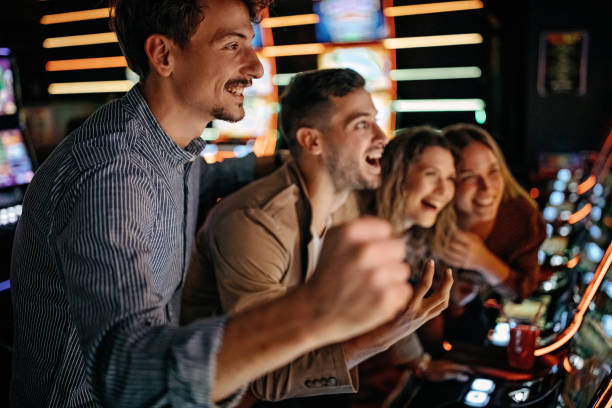
The variation in lighting levels also helps to guide players’ focus and attention throughout the casino. More illumination may be utilized in high-traffic areas or near popular gaming tables, ensuring that players are attracted to those locations. In contrast, softer lighting in lounge areas invites players to rest and socialize, further enhancing the sense of community. By controlling the lighting in various areas, casinos can significantly influence the overall mood and energy of the environment. This thoughtful approach to lighting design can lead to longer play sessions and increased spending.
Moreover, the transitions between different lighting setups can play into the psychological experience of players. As they navigate through areas with varying brightness, their emotional states may shift accordingly. This sensory manipulation not only amplifies feelings of thrill and anticipation but also influences players’ decisions regarding when and how much to gamble. Such deliberate choices in lighting design underscore its critical role in shaping gambling behavior and enhancing the player experience, making it an essential aspect of casino design strategy.
Website and Online Presence
In today’s digital age, casinos recognize the importance of establishing a strong online presence and how website design can replicate the physical gaming experience. By incorporating similar design elements—such as vibrant colors, engaging imagery, and user-friendly layouts—online casinos aim to create an atmosphere that mirrors the excitement of in-person gambling. This consistency in design aids in establishing brand identity while fostering trust among players who seek familiar experiences. The visual elements of an online casino can significantly impact user engagement and retention.
Moreover, online casinos leverage design techniques to influence user behavior on their platforms. Features like animated graphics, enticing promotions, and intuitive navigation are all crafted to engage users and encourage them to explore the site thoroughly. The seamless integration of these design elements ensures that players remain captivated, increasing the likelihood of participating in gaming activities. The online experience is designed to feel as immersive as a physical visit, keeping players engaged and eager to return.
Additionally, the online environment allows for unique interactive features, such as live dealer games, which further simulate the casino experience. By combining traditional casino design elements with cutting-edge technology, online platforms can create an immersive environment that continuously engages players in their gambling pursuits. Understanding that design plays a critical role, both physical and online casinos work diligently to influence and enhance user engagement, ensuring an enjoyable and captivating gambling experience for all. This commitment to design excellence is vital in a competitive landscape where player satisfaction is paramount.
